The Monthly Figure Is a Decoy: The Real Net Cost of 0% Projector Finance With Cashback

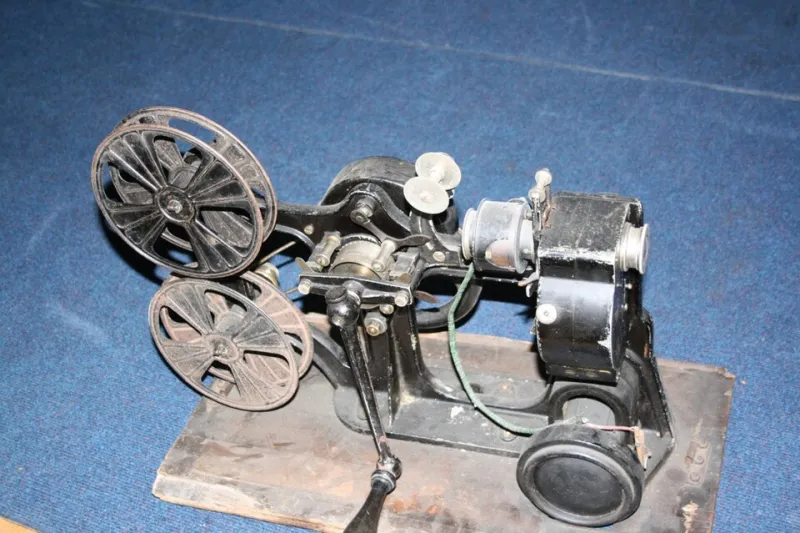
Photo: YellowFratello, CC BY-SA 4.0, via Wikimedia Commons
A projector advertised at £1,299 with £100 cashback and 24 months at 0% looks manageable. Put down £200, pay about £45.79 a month, claim the cashback, and the whole thing feels closer to a mid-range telly. That monthly figure is arithmetically correct and strategically distracting. It tells you what leaves your bank account each month, not what the projector actually costs you, and it certainly doesn’t tell you when the cashback arrives.
The only sum that matters
Start with a net-cost calculation, not a monthly-payment calculation:
Net cost = cash price + delivery + compulsory extras + finance fees or interest − cashback that actually pays
Then, if you want to compare deals fairly, divide that net cost by the number of months you’ll be paying. That gives you a smoothed monthly equivalent—useful for budgeting, but not a substitute for checking the credit agreement.
A compulsory extra might be a ceiling mount, an official replacement lamp, or a specific screen the retailer insists on for the bundle. If you’d buy it anyway, include it. If it’s padding, strip it out and price the projector on its own. Finance fees are rarer on headline 0% deals, but admin fees and delivery charges still count. And cashback only counts once it has cleared, not when the promotional badge appears on the product page.
Where 0% finance and cashback collide
These two promotions are run by different parts of a retailer’s operation, and they don’t always talk to each other. The finance agreement has a start date, a payment schedule and a settlement figure. The cashback promotion has a purchase window, a claim deadline and a payout timetable. Those clocks rarely tick in perfect harmony.
A common trap is the claim window. It may start from the order date, the delivery date or even the day you first switch the projector on. If delivery slips by a week, your claim window can shrink. If you’re waiting for a wall bracket before installing, don’t assume the clock waits with you.
Refunds are the second collision point. Under UK distance-selling rules you’ll usually have a short returns window, and retailers have their own policies on top. If you return the projector, the cashback claim normally falls away. The refund may go back to the lender rather than to you, and the direct debit can keep running until the credit agreement is updated. Cancelling the direct debit yourself is a bad idea; it can trigger missed-payment markers while the refund is still being processed.
Settlement timing is the third. If you plan to pay the finance off early, ask whether the cashback survives. Some promotions require the credit account to remain open for a set period, or for the purchase not to be cancelled or refunded. Get the answer in writing before you settle. A 0% agreement with no early-settlement penalty is still not much use if clearing it kills a £100 cashback claim.
A worked example with the boring bits included
Take a £1,299 projector, a £49 ceiling mount you genuinely need, free delivery, a £100 cashback promotion and 24 months at 0% after a £200 deposit.
| Item | Amount |
|---|---|
| Projector cash price | £1,299 |
| Ceiling mount | £49 |
| Delivery | £0 |
| Finance fee | £0 |
| Cashback, if paid | −£100 |
| Net cost if cashback clears | £1,248 |
| Net cost if the claim fails | £1,348 |
| Deposit | £200 |
| Amount financed | £1,099 |
| Monthly payment over 24 months | £45.79 |
The monthly payment is not wrong. It’s just not the price. The real comparison is £1,248 against whatever a cash buyer would pay for the same projector and mount. If a competitor sells the projector at £1,229 with no cashback and no finance, the headline cashback deal is not automatically better—especially once you account for the time spent chasing the claim.
Also look at the cashflow gap. If the cashback is paid eight weeks after approval, you may have made two monthly payments before it lands. That’s fine if you’ve budgeted for it. It’s less fine if the £100 was already earmarked for the first payment.
Questions that flush out the catches
Before signing a credit agreement, ask the retailer or lender:
- What is the total amount payable on the credit agreement, including any fees?
- Is the 0% rate for the whole term, or does it revert to a higher APR later?
- Does the cashback require the credit account to stay open for a minimum period?
- Does the claim window start from order, delivery or installation?
- What happens to the cashback if I return, exchange or settle early?
- How and when is the cashback paid—bank transfer, prepaid card or retailer credit?
- Are there late-payment fees, and what happens if a payment fails?
That last point matters more than it looks. A missed direct debit on a regulated credit agreement can leave a mark and cost you far more than the cashback was worth. Set the payment date for a day when money is reliably in the account.
A practical routine for UK projector buyers
Get the cash price and the cashback terms in writing. Build the net cost including the extras you actually need. Check the claim deadline against the realistic delivery date. Compare 12, 24 and 36-month equivalents rather than staring at the smallest monthly number. Keep copies of the invoice, serial number and claim confirmation. And don’t spend the cashback in your head until it has cleared.
At Projector Cashback, the rule is simple: buy the projector at a net cost you can afford even if the cashback never arrives. If the deal only works because the monthly figure is small, it isn’t a deal—it’s a cashflow illusion with a credit agreement attached.