The Guarantee Maths: What a Shorter Projector Warranty Is Really Costing You

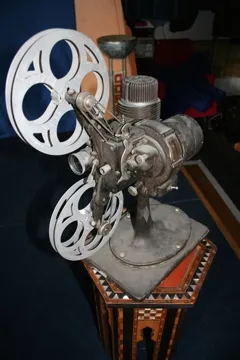
Photo: Dave Roberts , CC BY-SA 2.0, via Wikimedia Commons
Most projector deals get judged at the till: price, cashback, done. That is understandable. Cashback is visible, countable and usually arrives as money. A warranty is vague until something breaks, at which point it suddenly becomes the most valuable part of the purchase.
The tricky deals are the ones where a larger cashback payout comes with a shorter guarantee. Deal A gives you £120 back but 12 months of cover. Deal B gives you £30 back but three years. On paper, Deal A is £90 cheaper. In practice, that £90 is buying you two fewer years of protection on a device that may cost several hundred pounds to repair. Sometimes that is a fine trade. Sometimes it is the most expensive saving in the shop.
Start with the cover you actually get
Projector warranties are not one clean number. You need to separate the projector body, the light source, and the labour and return costs.
A typical UK projector might have 24 months on the chassis, 12 months on labour, and a separate light-source warranty. Lamp-based models often treat the lamp as a consumable with six to twelve months of cover, or a hours cap. Laser models may advertise three, five or even ten years on the laser source, but that does not mean the mainboard, HDMI board, fans or power supply are covered for the same period.
That distinction matters. A five-year laser source warranty sounds generous until you realise the expensive failure is a control board that is only covered for year one. Read the warranty schedule, not the badge on the box.
The repair-cost ladder
Out-of-warranty repair costs in the UK vary wildly, but planning ranges are useful. A replacement lamp often lands around £100 to £250 depending on the model. HDMI board or input failures commonly sit in the £100 to £250 region. Fan and thermal repairs might be £80 to £180. A laser engine or optical block repair can run from £400 to £900 or more, and some projectors are simply written off because the part costs more than the residual value.
Add labour, courier costs and the hassle of being without a projector for a fortnight. If it is ceiling-mounted, add the cost of getting it down and back up again. None of these are quotes, but they are the sort of numbers you should have in your head before deciding that a shorter warranty is no big deal.
Turn months of cover into pounds
A simple framework is better than a gut feeling. Estimate the cost of a likely repair, estimate the chance of needing it during the uncovered period, and multiply them. That gives you a rough expected value for the extra warranty.
Say the difference between two deals is £90 in favour of the shorter warranty. The uncovered period is two extra years. If you reckon there is a 10% chance of a £600 repair in that window, the expected repair cost is £60. The bigger cashback still wins, narrowly, before you factor in inconvenience. If the chance is 20% and the repair is £900, the expected cost is £180. Suddenly the longer warranty is the better financial bet.
This is not actuarial science. It is a way to stop treating warranty length as a free extra. If you would happily set aside £90 to insure against a £900 repair, the longer cover has real value. If you would rather bank the cashback and accept the risk, that is a valid choice too, as long as you are making it deliberately.
What a cashback claim does to your statutory rights
A cashback promotion is a separate commercial offer. Claiming it should not reduce your statutory rights under the Consumer Rights Act 2015. Your contract of sale is with the retailer, and the retailer remains responsible for goods that are not of satisfactory quality, not fit for purpose or not as described. A manufacturer warranty sits on top of that; it does not replace it.
So if a projector develops a fault, do not let a cashback scheme become a distraction. Keep your claim evidence. Keep your receipt. If the retailer suggests that claiming cashback somehow shortens your guarantee, ask them to point to the term that says so. In most cases, the cashback terms are about eligibility, timing and payment, not about rewriting consumer law.
The practical risk is different: cashback claims often have registration deadlines and paperwork requirements that nudge you past the retailer's returns window. Check the fault-finding basics early, while you can still reject or exchange the unit.
When the bigger cashback is the better deal
Chasing the larger payout is sensible when the warranty gap is small, the projector is inexpensive, or the longer cover excludes the bits most likely to fail. A £50 cashback advantage on a £500 lamp projector with a one-year warranty versus a two-year warranty is not automatically a trap. Lamp replacements are predictable and relatively cheap. If the second year of cover excludes the lamp anyway, its value drops sharply.
It can also be the right call if you are comfortable self-insuring. Put the extra cashback into a repair fund, keep the projector well ventilated and accept that you are trading certainty for money. That is a rational deal if you have the cash to absorb a failure.
When the extra £50 or £100 becomes a false economy
The maths flips on expensive laser projectors with short body warranties, on models with poor access for repairs, and on deals where the longer warranty covers labour and collection. It flips again if the shorter warranty is 12 months and the longer one is three years, because the uncovered period is not a few months of overlap; it is two full years of risk.
A bigger cashback is also less impressive if it pushes you into a model with a worse mounting position, no lens shift, or a noisy fan that you will notice every evening. The best warranty in the world does not fix a projector that does not fit your room.
Treat the warranty as a line item. Write down the net price after cashback, note the cover on the body and the light source separately, and put a rough pounds value on the uncovered years. If the extra cashback is larger than that value plus your tolerance for hassle, take the money. If it is not, take the cover. The guarantee cliff is only a cliff when you have not priced the drop.